

Advocacy
The Science Exists. The Population Is Waiting. The Only Missing Ingredient Is the Will to Act.
In 2021, Congress passed the Military Children’s Toxic Exposure Research Act, requiring the VA to develop a research program studying health effects in the children of veterans exposed to toxic chemicals. As of March 2026, the VA has not implemented this law.
The Policy Gap
The Scale of the Affected Population
~2.7 Million
U.S. veterans directly exposed to Agent Orange
~3.5 Million
Additional veterans exposed to burn pits
~5-8 Million
Estimated 2nd-generation descendants in the U.S.
What We Are Asking For
For Legislators
Co-sponsor or support the Molly R. Loomis Research for Descendants of Toxic Exposed Veterans Act — $15M for health effects research in children and grandchildren of ALL toxic-exposed veterans
Require the VA to implement the Military Children’s Toxic Exposure Research Act
Direct a National Academies of Medicine review specifically addressing intergenerational dioxin and burn pit effects
For the VA
Apply the Seveso Women’s Health Study findings to development of descendant health policy
Expand presumptive conditions for children of male Vietnam veterans beyond spina bifida
Establish a national health registry for descendants of Agent Orange-exposed veterans
Fund research into intergenerational effects of burn pit and Gulf War toxic exposures
How to Get Involved

Share your story
Family stories drive policy change; submit yours through the form below.

Contact your representatives
Email your at local representatives at usa.gov/elected-officials

Donate
Support the research program, awareness, the website, and the advocacy work

Subscribe
Sign up for our newsletter for research updates and advocacy news
THE BOTTOM LINE: Vietnam veterans’ families are the largest, most accessible, and best-documented ancestral TCDD-exposed population in the world. And now, burn pit veterans and their families are beginning to ask the same questions. The science exists. The population is waiting. The only missing ingredient is the political and philanthropic will to act.
The Intergenerational Question — What We Know and Don’t Know
What We Currently Know
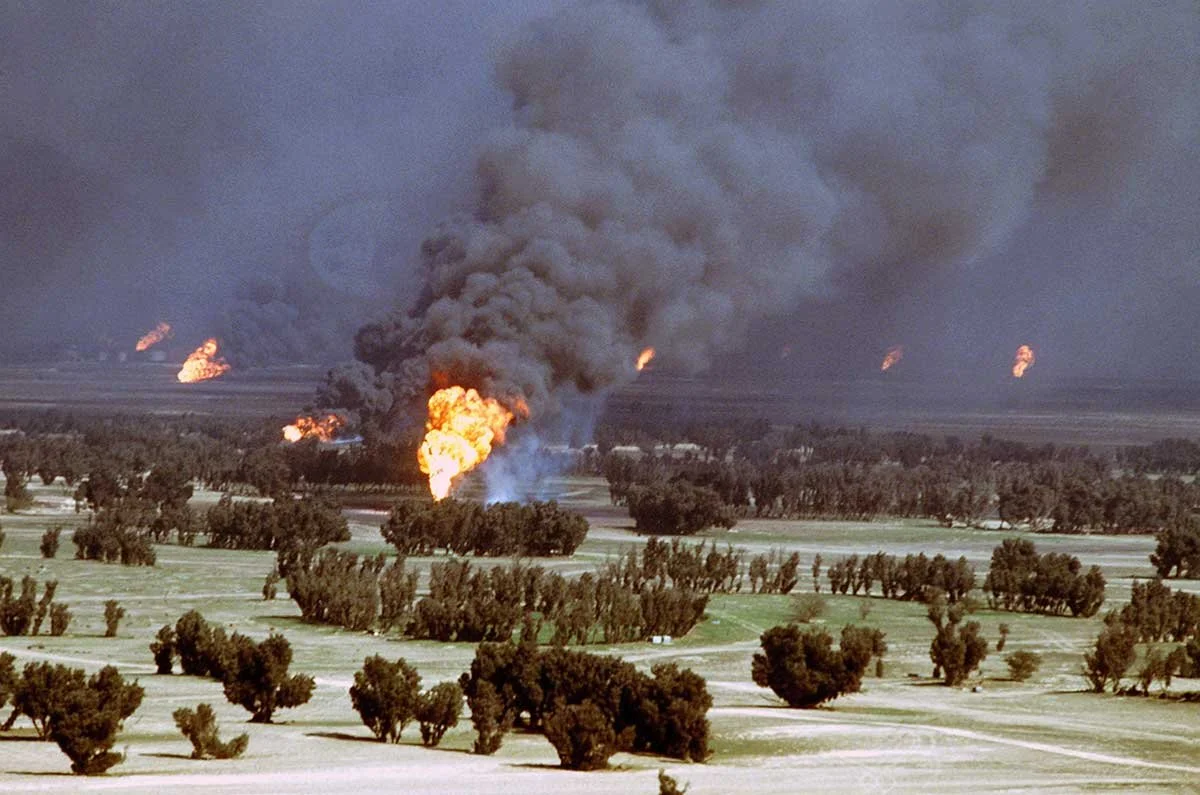
Burn pit smoke contains dioxins and furans — the same class of compounds that cause epigenetic damage in Agent Orange-exposed veterans.
A 2024 study confirmed dioxin-related sperm epigenome alterations in Vietnam veterans (Greco et al.) — establishing the human precedent for this transmission pathway.
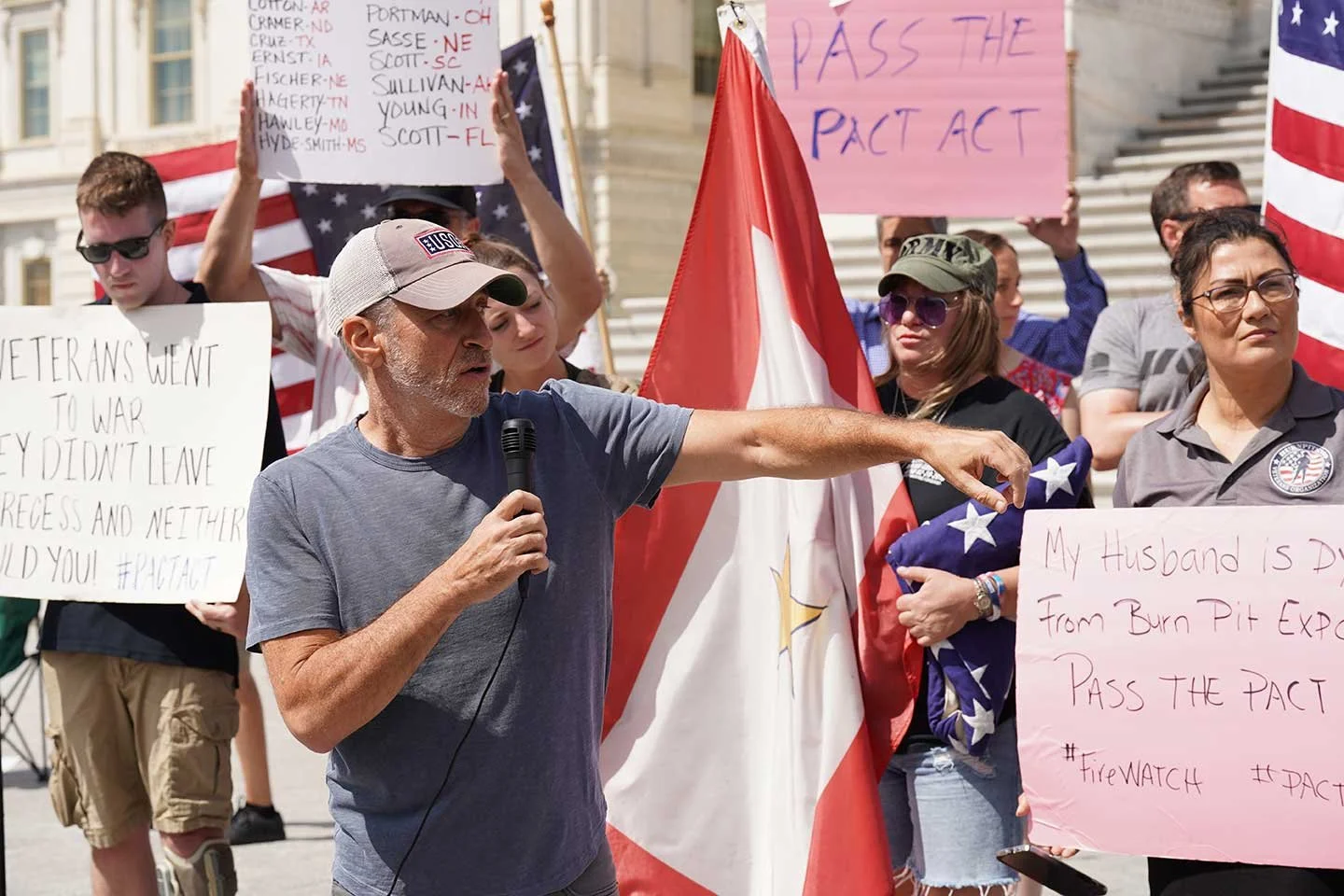
The PACT Act of 2022 mandated research into mortality and cancer outcomes for toxic-exposed veterans — but intergenerational effects were not explicitly included.
The Molly R. Loomis Research for Descendants of Toxic Exposed Veterans Act (S. 2061), which unanimously passed the Senate Veterans’ Affairs Committee on March 19, 2026, explicitly covers descendants of ALL toxic-exposed veterans, not just Agent Orange. This legislation, if enacted, would fund the research that doesn’t yet exist.
This is where the science is active, incomplete, and urgent.
The biological mechanism by which Agent Orange caused intergenerational health effects — epigenetic alteration of the sperm epigenome — is the same mechanism that would transmit the effects of burn pit dioxins, heavy metals, and other toxic compounds. The research establishing this mechanism in Agent Orange families took decades to build. The research for post-Vietnam era veterans is only just beginning.
What We Don’t Yet Know
Whether burn pit-exposed veterans show the same sperm epigenome alterations documented in Agent Orange veterans — this study has not been conducted
What the rate of transmission is for burn pit-related epigenetic changes compared to dioxin
Whether the children of burn pit-exposed veterans are showing the same patterns — the cohort is younger and the research is newer
The specific compounds in burn pit smoke most responsible for any epigenetic effects
THE HONEST ANSWER: We don’t know yet — not because the answer is likely to be ‘nothing,’ but because the research hasn’t been done. The Inherited Wounds Foundation is actively advocating for the Molly R. Loomis Act and for federal funding to answer this question for every era of veteran.
Message From the Inherited Wounds Foundation
We know that the families of Iraq and Afghanistan veterans are younger. We know that the science is newer. We know that many of you are just beginning to ask these questions.
We also know what it looks like when a generation of veterans and their families spend decades searching for answers that science hasn’t yet produced — because we watched that happen with Vietnam. The Inherited Wounds Foundation was built so that the children of burn pit veterans don’t have to wait forty years for what they deserve to know.
The Foundation’s work began with Agent Orange because that is where the science is most complete. But our mission — to advance research, policy reform, and family support for the multigenerational health consequences of toxic military exposure — belongs to every era. It belongs to every family.
Share Your Story

Help us find the families who don't know yet.
Every dollar goes toward getting the word out — to a veteran's grandchild who's never heard the term "intergenerational toxic exposure," and needs to.
Section 11 References
[1] U.S. Department of Veterans Affairs. Airborne Hazards and Open Burn Pit Registry. va.gov/airborne-hazards-open-burn-pit-registry/
[2] Burn Pits 360. The Burn Pit Crisis: Veteran Exposure and Health Impacts. burnpits360.org/research
[3] U.S. Department of Veterans Affairs. Gulf War Illness and the VA. va.gov/disability/eligibility/hazardous-materials-exposure/gulf-war-illness/
[4] Greco MV et al. A new approach to study stochastic epigenetic mutations in the sperm methylome of Vietnam War veterans. Environmental Epigenetics. 2024;10(1):dvae020.
[5] Stars and Stripes / S. 2061 — Molly R. Loomis Research for Descendants of Toxic Exposed Veterans Act. Unanimously passed Senate Veterans’ Affairs Committee, March 19, 2026.