
For Post-Vietnam Era Veterans
Gulf War · Iraq · Afghanistan · Burn Pits & Toxic Exposures
The Invisible Wounds Didn’t End in Vietnam. Neither Did We.
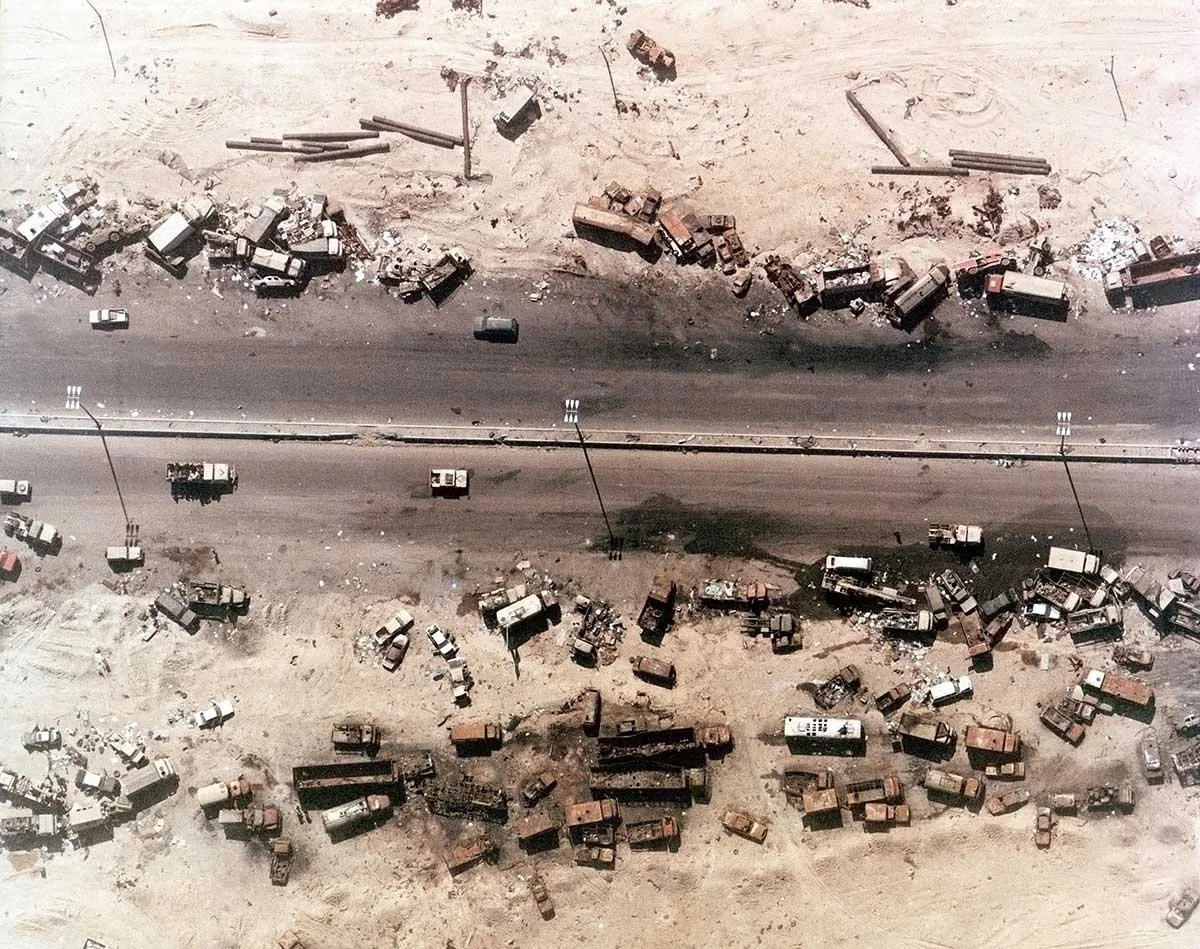
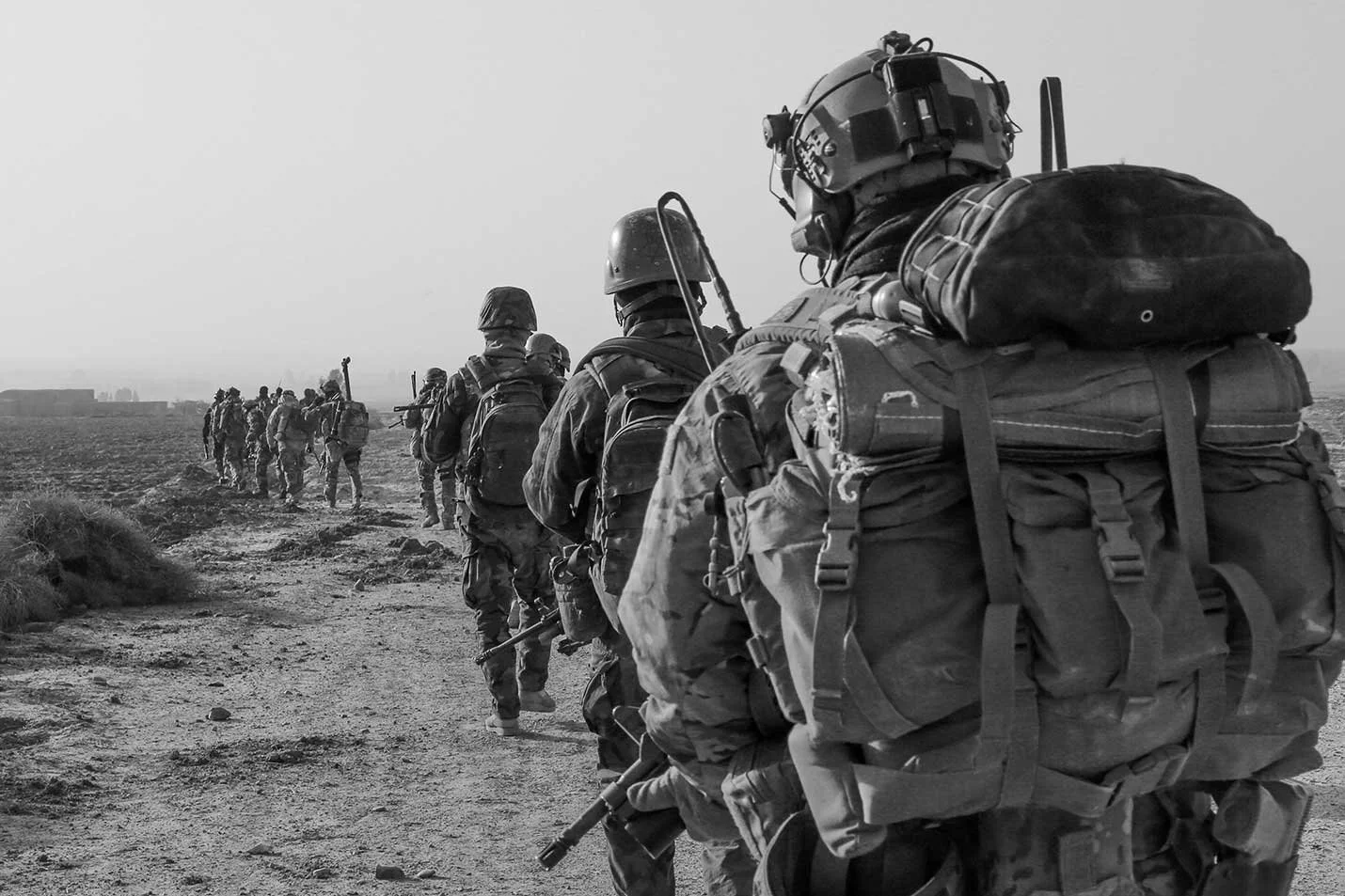
The Inherited Wounds Foundation was founded because of Agent Orange. But the invisible wounds of toxic military service did not end in Vietnam. Hundreds of thousands of veterans who served in the Gulf War, Iraq, and Afghanistan — and on contaminated military installations around the world — now face their own version of the same story: toxic exposure, documented health consequences, and families who are beginning to ask whether those consequences were passed on.
The science of epigenetic inheritance does not recognize era. If a toxic chemical can alter the sperm epigenome of a Vietnam veteran, it can do the same to the sperm epigenome of a veteran who deployed to Iraq and breathed burn pit smoke every day for twelve months. The research on this question is newer and less complete than the Agent Orange literature — but the biological mechanism is identical, and the urgency is growing.
What Are Burn Pits?
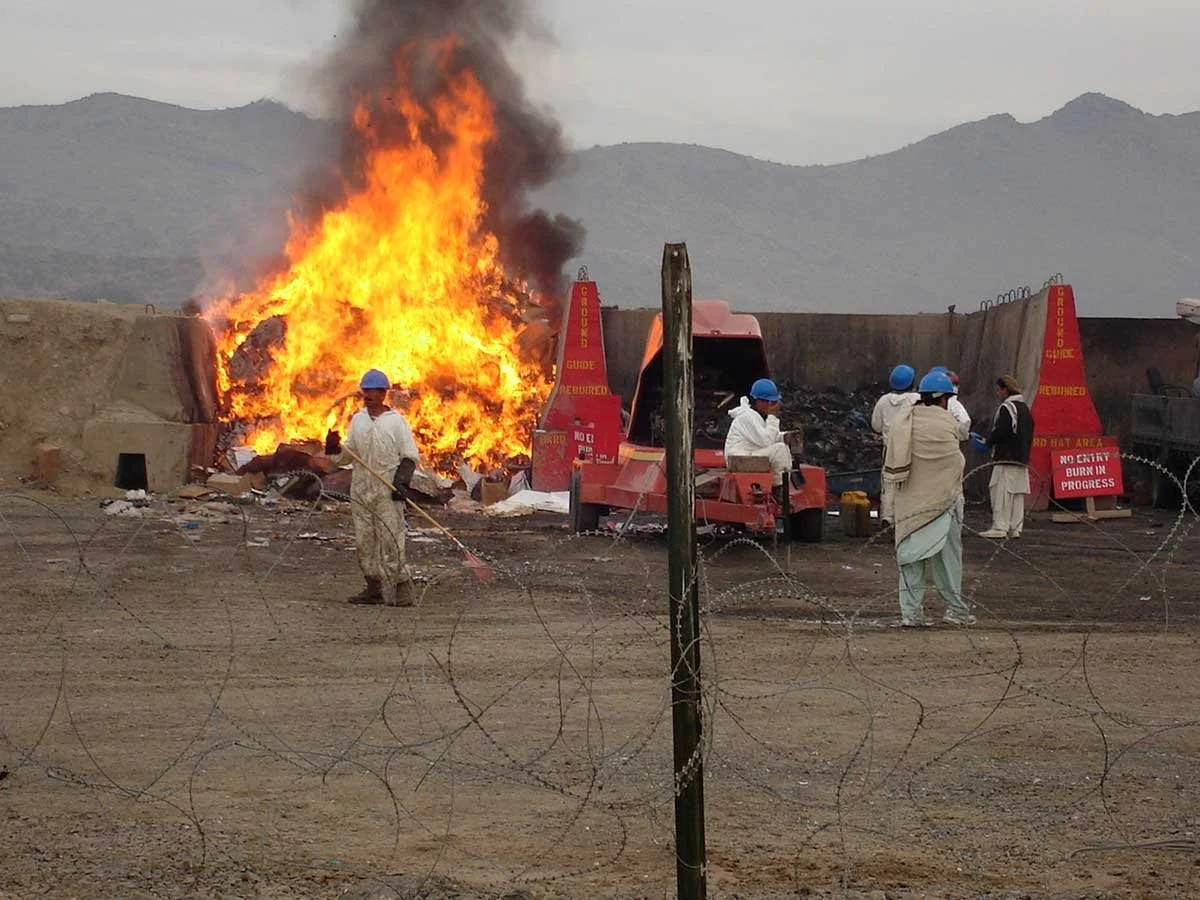
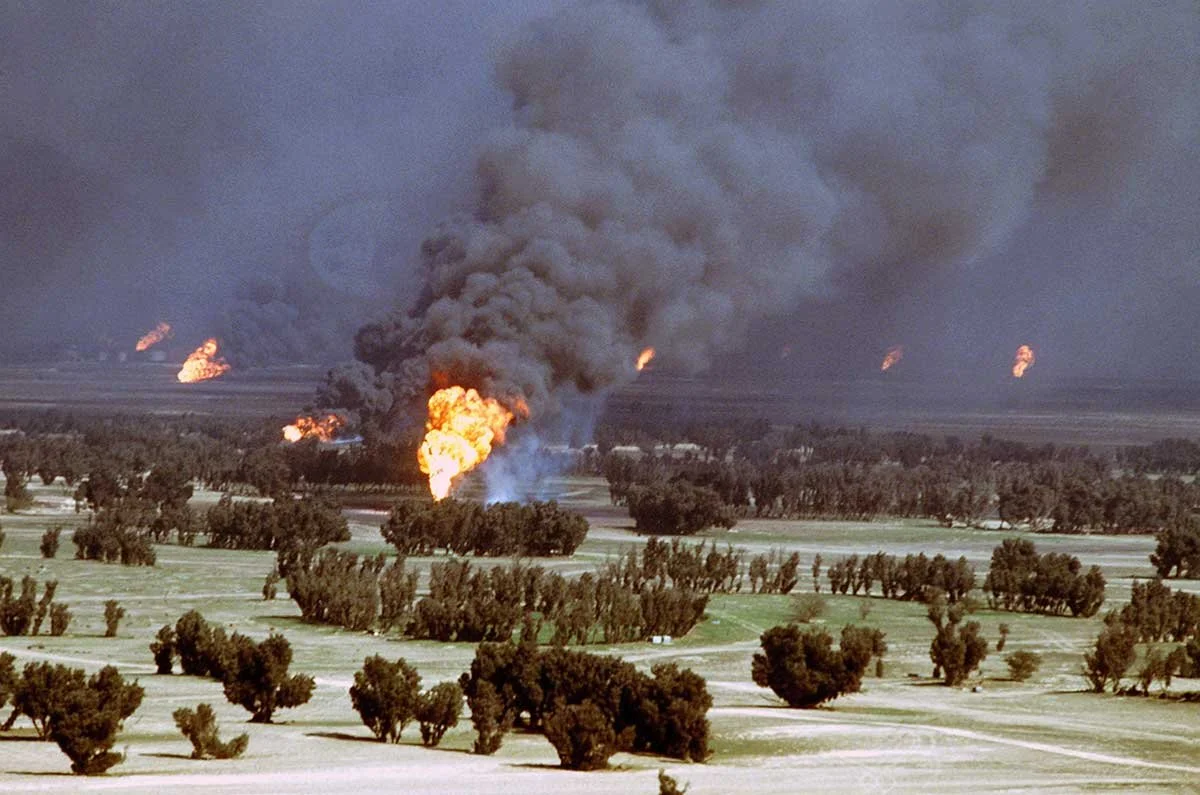
Burn pits were open-air combustion sites used extensively by the U.S. military in Iraq, Afghanistan, and across the Southwest Asia theater of operations. For years, these pits were the primary method of disposing of military waste — including chemicals, human waste, medical and pharmaceutical waste, munitions, metal, paint, plastics, and other materials.
The smoke they produced contained dioxins, furans, heavy metals, volatile organic compounds, and particulate matter. Veterans who lived and worked near burn pits were often exposed to this toxic smoke daily, sometimes for months or years at a stretch. Many returned home with unexplained respiratory symptoms, rare cancers, and autoimmune conditions that the VA was slow to connect to their service. [2]
The PACT Act of 2022 — What Changed for You
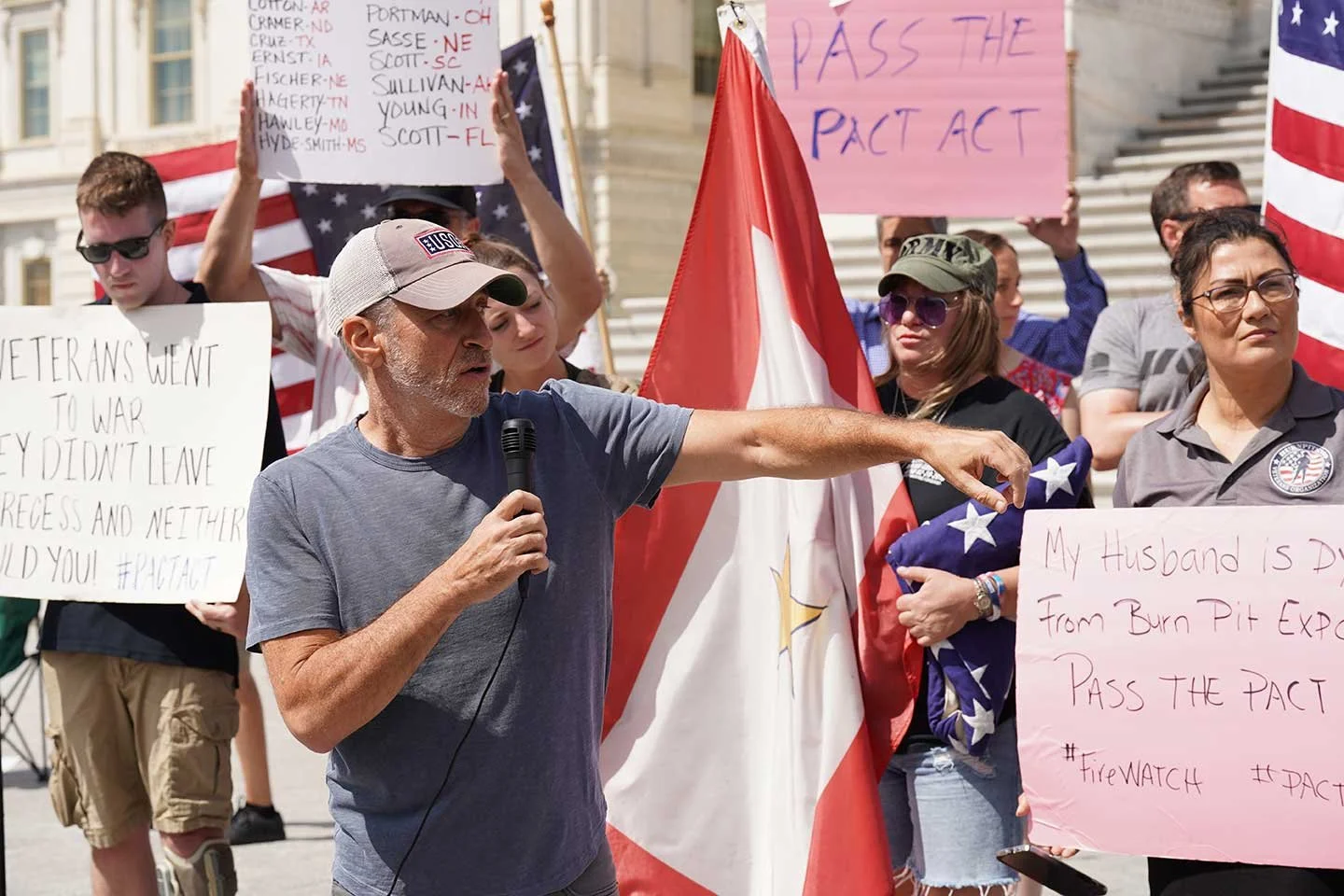
The Sergeant First Class Heath Robinson Honoring our Promise to Address Comprehensive Toxics (PACT) Act, signed into law on August 10, 2022, is the most significant expansion of VA health care and benefits in decades. It was named for SFC Heath Robinson, who died from a rare cancer caused by prolonged burn pit exposure.
What the PACT Act Does:
33+ new presumptive conditions added — many directly linked to burn pit exposure
Free VA health care for Gulf War / OEF/OIF veterans for 10 years post-discharge — no co-pays
Presumption of exposure established for all veterans who served in Southwest Asia after August 2, 1990
Toxic exposure screening now required at every VA primary care visit
Mandated mortality and cancer research studies for toxic-exposed veteran populations
31 new VA medical facilities authorized nationwide
Gulf War Syndrome — What the VA Recognizes

Gulf War Syndrome refers to a cluster of medically unexplained chronic symptoms reported by veterans who served in the 1990–1991 Gulf War. The VA has designated these as ‘Chronic Multisymptom Illness’ and established a presumptive framework.
Conditions in the Gulf War Presumptive Framework
Chronic Fatigue Syndrome (CFS)
Functional gastrointestinal disorders — IBS, functional dyspepsia
Fibromyalgia
Undiagnosed illnesses with symptoms appearing after Gulf War service, including: fatigue, headaches, joint pain, neurological symptoms, skin conditions, respiratory symptoms, sleep disturbances, cardiovascular symptoms, abnormal weight loss, menstrual disorders
Note: The VA’s presumptive coverage for Gulf War undiagnosed illnesses applies to veterans who served in Southwest Asia between August 2, 1990 and the present — even after the Gulf War ended.
IF YOU WERE PREVIOUSLY DENIED: The PACT Act significantly expanded coverage. If you filed a claim for a burn pit or toxic exposure-related condition and were denied before August 2022, it is worth reapplying. The VA must now review previously denied claims under the new presumptive standards.
The Intergenerational Question — What We Know and Don’t Know
What We Currently Know
Burn pit smoke contains dioxins and furans — the same class of compounds that cause epigenetic damage in Agent Orange-exposed veterans.
A 2024 study confirmed dioxin-related sperm epigenome alterations in Vietnam veterans (Greco et al.) — establishing the human precedent for this transmission pathway.
The PACT Act of 2022 mandated research into mortality and cancer outcomes for toxic-exposed veterans — but intergenerational effects were not explicitly included.
The Molly R. Loomis Research for Descendants of Toxic Exposed Veterans Act (S. 2061), which unanimously passed the Senate Veterans’ Affairs Committee on March 19, 2026, explicitly covers descendants of ALL toxic-exposed veterans, not just Agent Orange. This legislation, if enacted, would fund the research that doesn’t yet exist.
This is where the science is active, incomplete, and urgent.
The biological mechanism by which Agent Orange caused intergenerational health effects — epigenetic alteration of the sperm epigenome — is the same mechanism that would transmit the effects of burn pit dioxins, heavy metals, and other toxic compounds. The research establishing this mechanism in Agent Orange families took decades to build. The research for post-Vietnam era veterans is only just beginning.
What We Don’t Yet Know
Whether burn pit-exposed veterans show the same sperm epigenome alterations documented in Agent Orange veterans — this study has not been conducted
What the rate of transmission is for burn pit-related epigenetic changes compared to dioxin
Whether the children of burn pit-exposed veterans are showing the same patterns — the cohort is younger and the research is newer
The specific compounds in burn pit smoke most responsible for any epigenetic effects
THE HONEST ANSWER: We don’t know yet — not because the answer is likely to be ‘nothing,’ but because the research hasn’t been done. The Inherited Wounds Foundation is actively advocating for the Molly R. Loomis Act and for federal funding to answer this question for every era of veteran.
Resources for Post-Vietnam Era Veterans
Filing and Benefits
VA PACT Act Information: va.gov/resources/the-pact-act-and-your-va-benefits/
VA Burn Pit Registry (Airborne Hazards and Open Burn Pit Registry): va.gov/airborne-hazards-open-burn-pit-registry/
VA Gulf War Registry: va.gov/disability/eligibility/hazardous-materials-exposure/gulf-war-illness/
Veterans Crisis Line: 988, then press 1
Burn Pits 360: burnpits360.org — advocacy organization for burn pit veterans
Registering Your Exposure
The most important step you can take right now — regardless of whether you currently have symptoms — is to register your exposure with the VA. The Airborne Hazards and Open Burn Pit Registry creates a permanent federal record of your service locations and exposure history. This documentation will matter for your own future claims and may matter for your children’s claims if policy expands.
SAY THIS AT YOUR NEXT VA APPOINTMENT
“I served in [location] and was exposed to burn pit smoke / contaminated water / toxic chemicals during my service. I want to register with the Airborne Hazards and Open Burn Pit Registry and discuss screening for any conditions associated with my exposure under the PACT Act. I also want to discuss what this exposure might mean for my family’s health.”
Message From the Inherited Wounds Foundation
We know that the families of Iraq and Afghanistan veterans are younger. We know that the science is newer. We know that many of you are just beginning to ask these questions.
We also know what it looks like when a generation of veterans and their families spend decades searching for answers that science hasn’t yet produced — because we watched that happen with Vietnam. The Inherited Wounds Foundation was built so that the children of burn pit veterans don’t have to wait forty years for what they deserve to know.
The Foundation’s work began with Agent Orange because that is where the science is most complete. But our mission — to advance research, policy reform, and family support for the multigenerational health consequences of toxic military exposure — belongs to every era. It belongs to every family.
Apply for VA Healthcare
Section 11 References
[1] U.S. Department of Veterans Affairs. Airborne Hazards and Open Burn Pit Registry. va.gov/airborne-hazards-open-burn-pit-registry/
[2] Burn Pits 360. The Burn Pit Crisis: Veteran Exposure and Health Impacts. burnpits360.org/research
[3] U.S. Department of Veterans Affairs. Gulf War Illness and the VA. va.gov/disability/eligibility/hazardous-materials-exposure/gulf-war-illness/
[4] Greco MV et al. A new approach to study stochastic epigenetic mutations in the sperm methylome of Vietnam War veterans. Environmental Epigenetics. 2024;10(1):dvae020.
[5] Stars and Stripes / S. 2061 — Molly R. Loomis Research for Descendants of Toxic Exposed Veterans Act. Unanimously passed Senate Veterans’ Affairs Committee, March 19, 2026.