

Women Who Served
Vietnam Era Nurses · WAC · Red Cross · Donut Dollies · Post-Vietnam Era Servicewomen
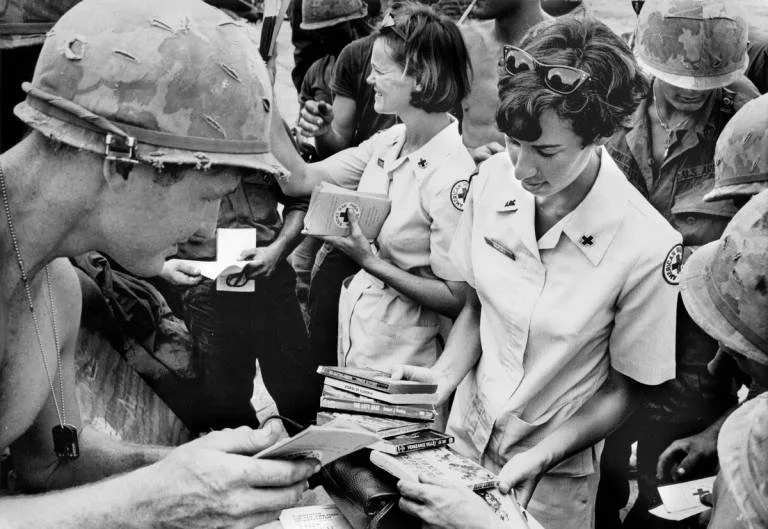
More than 265,000 women served during the Vietnam era. Thousands more in the Gulf War, Iraq, and Afghanistan. They were nurses, soldiers, Red Cross workers, and volunteers. Many were exposed to Agent Orange, burn pits, and other toxic chemicals — and their health, and the health of their children and grandchildren, has never received the attention it deserves.
They Served in Silence. They Deserve to Be Seen.
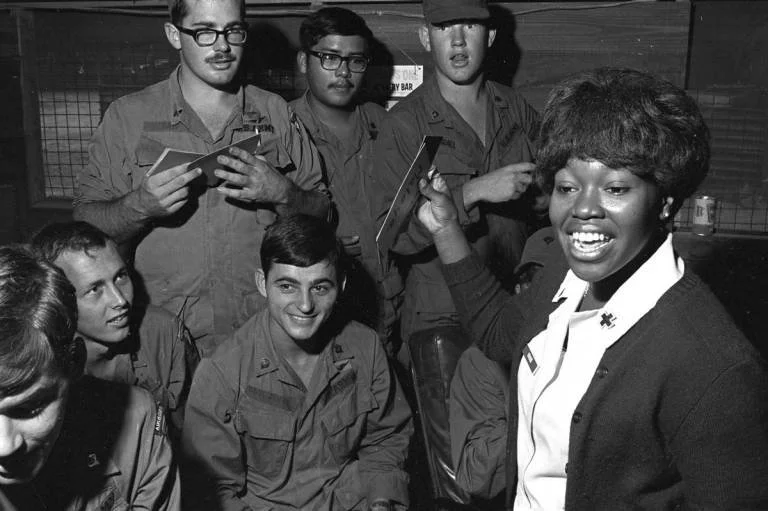
Military Nurses In Vietnam
Approximately 10,000 American military women served in Vietnam — the majority as Army, Navy, and Air Force nurses. They worked in field hospitals, MASH units, and evacuation hospitals, often within close proximity to areas that had been sprayed with Agent Orange. Unlike their male counterparts, women veterans of Vietnam were not included in the Agent Orange Registry for the first two decades of its existence
HISTORICAL NOTE
Women veterans were not included in the original Agent Orange Registry studies. The first major inclusion of female veterans in VA Agent Orange research did not occur until the 1990s — decades after the war ended. This gap created a generation of women nurses whose health consequences were undocumented, uncounted, and uncompensated.
Exposure Pathways for Military Nurses:
Proximity to sprayed areas — field hospitals were frequently located near defoliated zones
Contact with exposed patients — caring for wounded soldiers whose clothing, skin, and wounds carried residual dioxin
Contaminated water and food supply at base locations
Ambient dioxin in soil and air in heavily sprayed regions
Health Conditions of Particular Concern for Women Nurses:
REPRODUCTIVE HEALTH
Endometriosis — strongly linked to dioxin
Higher rates of miscarriage
Premature menopause
Uterine fibroids
PCOS
CANCER RISK
Breast cancer — hormone-sensitive, dioxin-linked
Ovarian cancer
Non-Hodgkin's lymphoma (VA presumptive)
NEUROLOGICAL & IMMUNE
Peripheral neuropathy
Thyroid disorders — hypothyroidism, Hashimoto's
Autoimmune diseases — lupus, rheumatoid arthritis
Chronic fatigue
VA RECOGNITION
Female Vietnam veterans with service in-country or near the Korean DMZ are eligible for ALL Agent Orange presumptive conditions — the same list as male veterans
Biological children of female veterans have access to a broader range of birth defect recognition than children of male veterans
SAY THIS AT YOUR NEXT APPOINTMENT
"I served in Vietnam as a [nurse / WAC member] and was exposed to Agent Orange. I would like my service history and exposure formally noted in my permanent medical record. I would also like to discuss the Agent Orange presumptive conditions that apply to me, and what my exposure may mean for my children's and grandchildren's health."
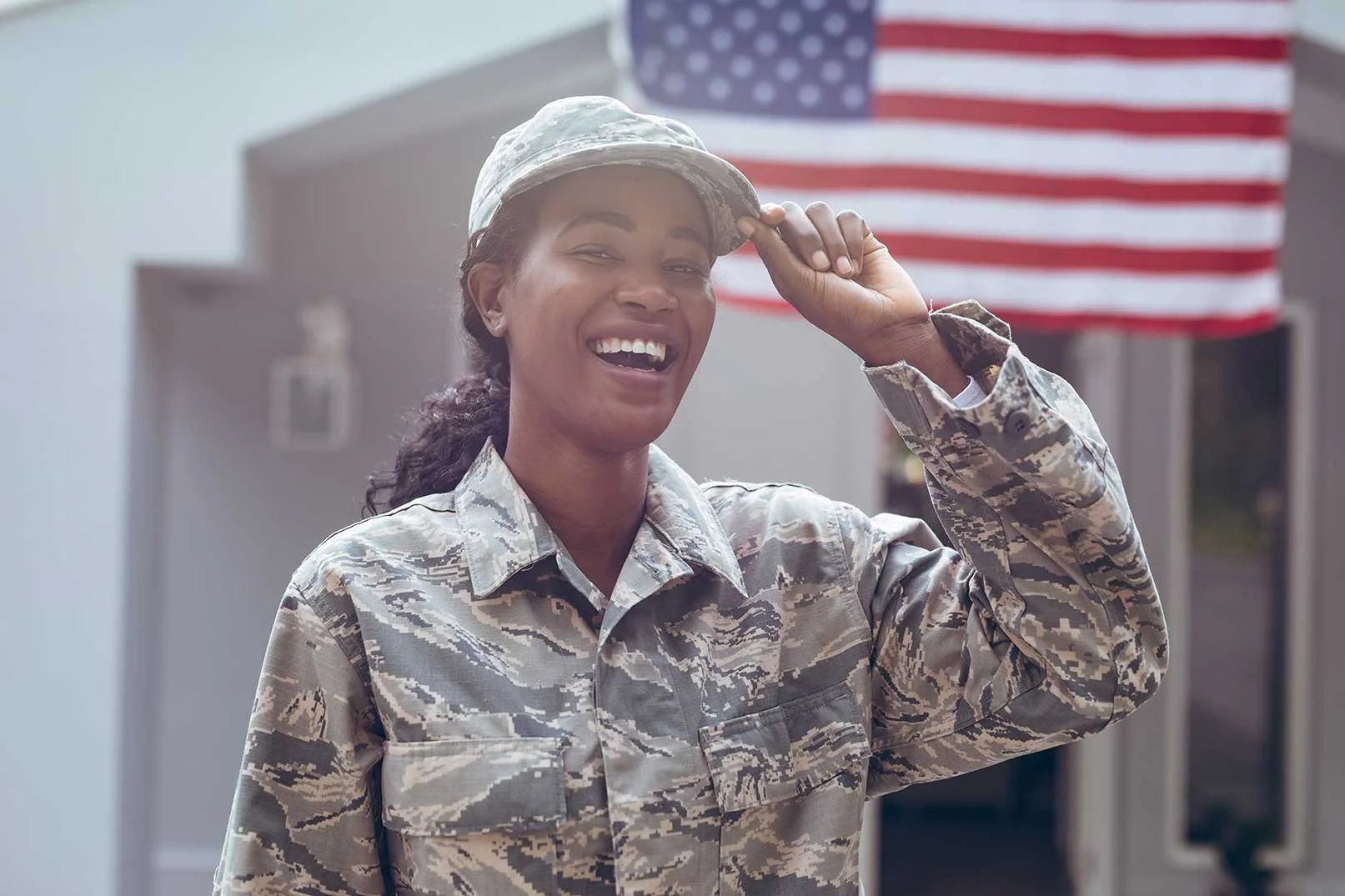
Women's Army Corps (Wac)
WAC members served in a wide range of administrative, intelligence, communications, and support roles throughout the Vietnam era. While they were less likely to be stationed in the field than nurses, many served on or near bases in Vietnam, Thailand, and other Southeast Asian locations where Agent Orange was used or stored — including bases where the soil and water supply remained contaminated years after spraying ceased.
RESOURCE
WAC veterans seeking benefits should contact the Women Veterans Call Center: 1-855-VA-WOMEN (1-855-829-6636). The VA's Women Veterans Program Manager at your local VA can also assist with claims specific to female veterans.
Key Recognition Issues for WAC Veterans:
Service location documentation is critical — WAC veterans should confirm that their service locations are on the VA's list of locations where Agent Orange exposure is presumed
The PACT Act of 2022 expanded the list of presumed exposure locations — WAC veterans who were previously denied because their location wasn't covered should reapply
Records of WAC service can sometimes be incomplete or difficult to locate — the National Personnel Records Center (NPRC) in St. Louis holds military records; the VA can assist with reconstruction
The Donut Dollies & American Red Cross SRAO
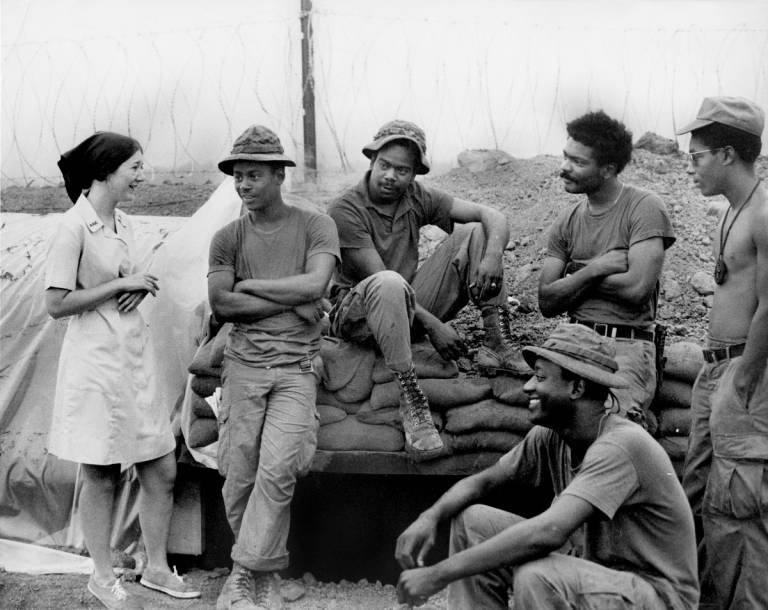
Who Were the Donut Dollies?
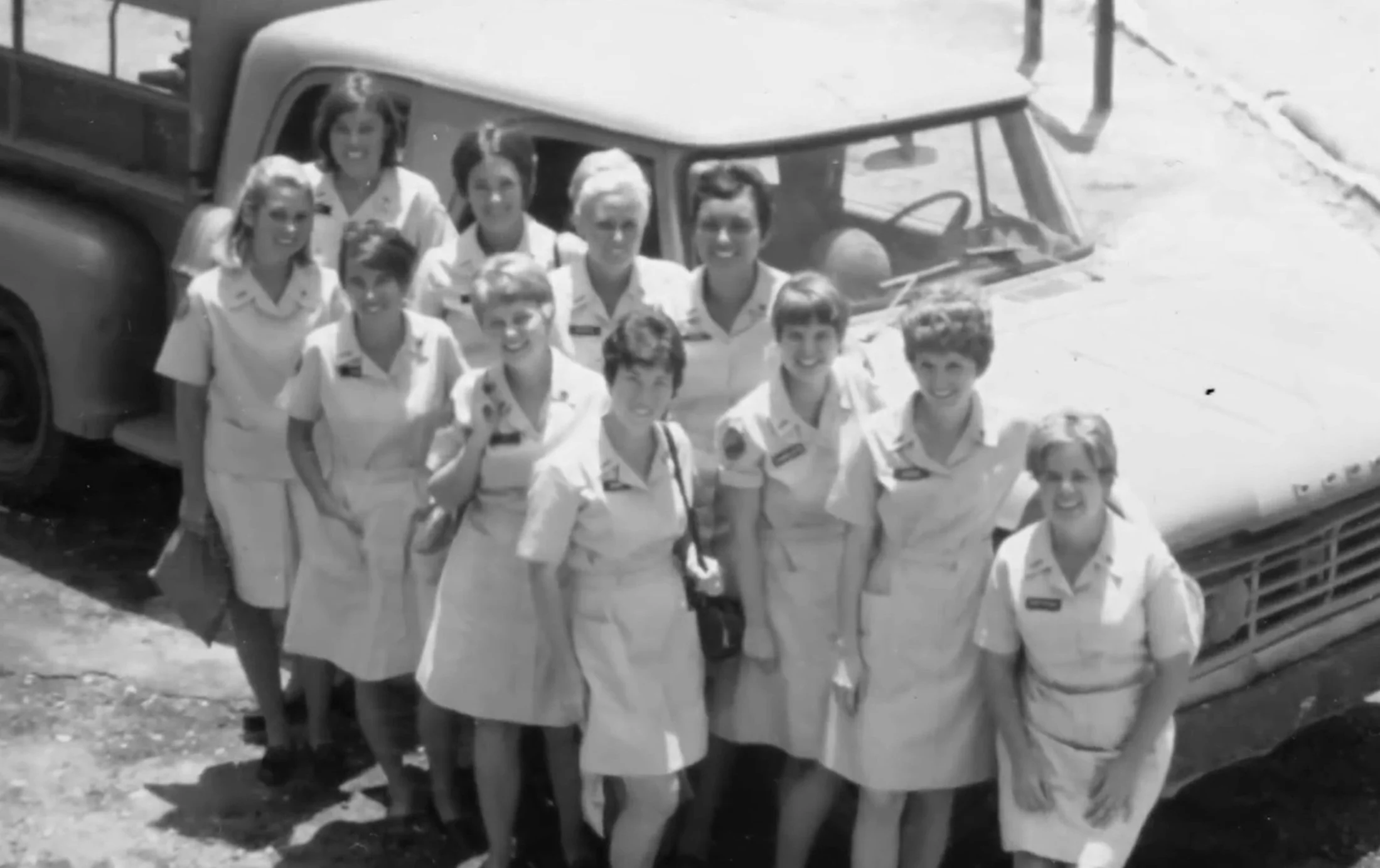
The "Donut Dollies" was the affectionate nickname given to women who served with the American Red Cross Supplemental Recreational Activities Overseas (SRAO) program during the Vietnam War. Between 1962 and 1972, approximately 627 American women — all civilian volunteers, all college graduates, selected from thousands of applicants — deployed to Vietnam to provide non-medical support to U.S. troops.
Exposure Profile:
Traveled extensively by helicopter to forward operating bases, many in heavily defoliated zones
Visited field hospitals where Agent Orange-exposed soldiers were treated
Stationed at bases throughout Vietnam where dioxin contamination of soil and water was significant
As civilians, they were NOT included in any military health studies of Agent Orange exposure — for decades, their exposure was not officially recognized at all
The Red Cross SRAO program was not a military program — this created a gap in both exposure documentation and health benefits eligibility that persists to this day
What Has Been Done — and What Hasn't:
In 2016, Donut Dollies were granted "Veteran Status" through the Veterans Benefits Improvement Act — meaning they are now eligible for burial in national cemeteries and to receive a burial flag. This was meaningful recognition.
However, Veteran Status for burial purposes does NOT translate to VA health care benefits, disability compensation, or Agent Orange presumptive coverage. The recognition is symbolic; the health benefits gap remains.
The Inherited Wounds Foundation believes the Donut Dollies' health consequences — and those of their children and grandchildren — deserve the same research attention and policy recognition as military veterans.
THE MISSION
Unlike traditional Red Cross workers who provided medical or welfare support, Donut Dollies were specifically trained to provide cognitive distraction — interactive, program-based engagement designed to give soldiers a mental break from combat stress. They traveled by helicopter to firebases, hospitals, and base camps across Vietnam, often in areas that had been heavily sprayed with Agent Orange. They were unarmed. They were civilians. And they went everywhere the military went.
The Benefits Gap for Donut Dollies:
CRITICAL ISSUE
Because Donut Dollies served as civilians under the Red Cross — not as members of the U.S. military — they do not qualify for VA benefits, regardless of their documented exposure to Agent Orange. They are not eligible for the Agent Orange presumptive conditions list. They are not eligible for VA health care based on their Vietnam service. This is one of the most significant unaddressed gaps in the entire toxic exposure story.
Resources for Donut Dollies and Their Families:
Donut Dollies Vietnam: donutdolliesvietnam.com
Vietnam Women's Memorial Foundation: vietnamwomensmemorial.org
American Red Cross archives for service documentation
Inherited Wounds Foundation: inheritedwounds.org/share-your-story — Donut Dolly families are especially encouraged to submit their family health histories
By the Gulf War, women made up approximately 7% of deployed forces. By Iraq and Afghanistan, that figure had risen to over 11% — with women serving in roles that brought them into direct contact with burn pit smoke, contaminated water, and other toxic exposures. The PACT Act of 2022 applies equally to women veterans of these eras.
Post-vietnam Era Servicewomen
(Gulf War · Iraq · Afghanistan)
Unique Considerations for Women Veterans of Post-Vietnam Eras:
Hormonal disruption from dioxin and burn pit compounds may interact differently with female biology than male biology — the research is incomplete
Reproductive health consequences may be more pronounced and appear earlier — endometriosis, menstrual irregularities, fertility challenges
Women veterans are statistically underrepresented in burn pit research studies to date
MST (Military Sexual Trauma) often co-occurs with toxic exposure and can complicate both physical and mental health presentations — VA has specific resources for MST survivors
Women veterans who were pregnant during or shortly after service in Southwest Asia should discuss this history with their OB/GYN and their children's pediatricians
RESOURCE
Women Veterans Health Care: va.gov/health-care/health-needs-conditions/womens-health-needs/ Women Veterans Call Center: 1-855-VA-WOMEN (1-855-829-6636) Women Veterans Interactive Network (WVIN): womenveterans.org
Intergenerational Effects: Daughters And Granddaughters Of Women Veterans
The children of female veterans who were exposed to Agent Orange have access to a broader range of birth defect recognition than children of male veterans — the VA explicitly covers a wider list of birth defects for children of female veterans. However, like their male counterparts, grandchildren of female veterans receive no recognition or benefits.
A Note On Maternal Vs. Paternal Transmission
The epigenetic transmission pathway differs depending on whether exposure occurred in the mother or the father. A daughter of an exposed female veteran began developing her own eggs while she was still a fetus inside her mother's womb — meaning she was a third body present at the time of the original exposure. This three-body overlap (veteran grandmother, mother as fetus, granddaughter's eggs forming in utero) creates a unique and potentially significant transmission pathway that has not yet been adequately studied in this population.
For Children Of Female Veterans: VA Birth Defects Covered
Children of female Vietnam veterans may be eligible for VA benefits if they have: Spina bifida · Cleft lip or palate · Congenital heart disease · Achondroplasia · Hallerman-Streiff syndrome · Williams syndrome · Meckel-Gruber syndrome · Hirschsprung's disease · Apert syndrome · Fetal alcohol syndrome · Any other specific covered birth defect. File at va.gov or call 1-800-827-1000.
Share Your Story
If you are a woman veteran, a Donut Dolly, a Red Cross SRAO volunteer, or the child or grandchild of any woman who served — your story belongs here. The Inherited Wounds Foundation is one of the first organizations specifically collecting the health histories of families affected by toxic exposure through female service members. Your story is evidence. Help us build the case.